Local roots. Little discoveries. Every day.Let’s talk: (508) 514-5199

Our approach

Learning has a plan.Wonder has room.

Our team develops a year-round curriculum using a tailored version of Creative Curriculum. We adapt learning experiences to the ages, development, and interests of the children in our care.

Children learn through play, warm relationships, daily routines, and educator-guided experiences. Each day brings chances to try, communicate, move, make, and wonder.

Across our infant, toddler, and preschool programs.

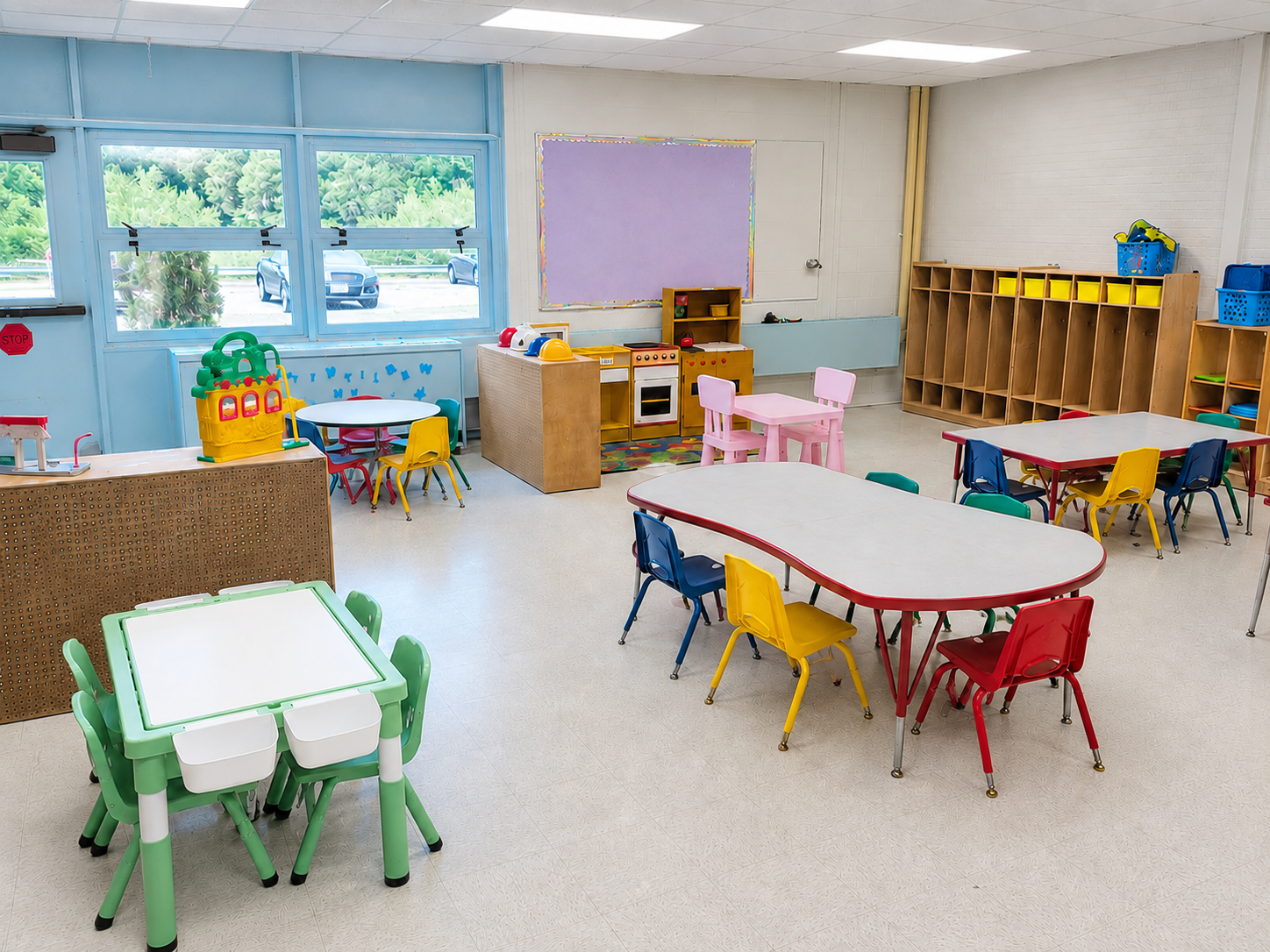
A bright preschool classroom with child-sized tables and areas for play
A year of learning, one small discovery at a time.Room to build, imagine, and explore.

Whole-child learning

Many ways to grow.
One connected day.

Learning does not happen in just one subject or at one table. Our curriculum supports children’s social, emotional, cognitive, language, physical, and creative development together.

  1. 01

    Language
    & literacy

    Words, stories, conversation, and listening.

  2. 02

    Cognitive
    growth

    Questions, patterns, early math, and discovery.

  3. 03

    Social
    & emotional

    Relationships, feelings, cooperation, and confidence.

  4. 04

    Creative
    expression

    Ideas explored through art, music, and make-believe.

  5. 05

    Physical
    development

    Movement, coordination, and growing self-help skills.

A plan with room for children

Planned learning.
Lived through play.

Our curriculum gives educators a direction for learning throughout the year. They plan experiences for children’s ages and development, then stay responsive to the interests and questions that emerge in the classroom.

A familiar routine, an invitation to explore, and a thoughtful question can all help children connect ideas. Learning has intention, and it still has room to unfold in a child’s own way.

Explore our programs

Learning at every age

The next step changes
as children grow.

Educators shape experiences around each child’s stage, development, and interests. Here are a few examples of what purposeful learning can look like.

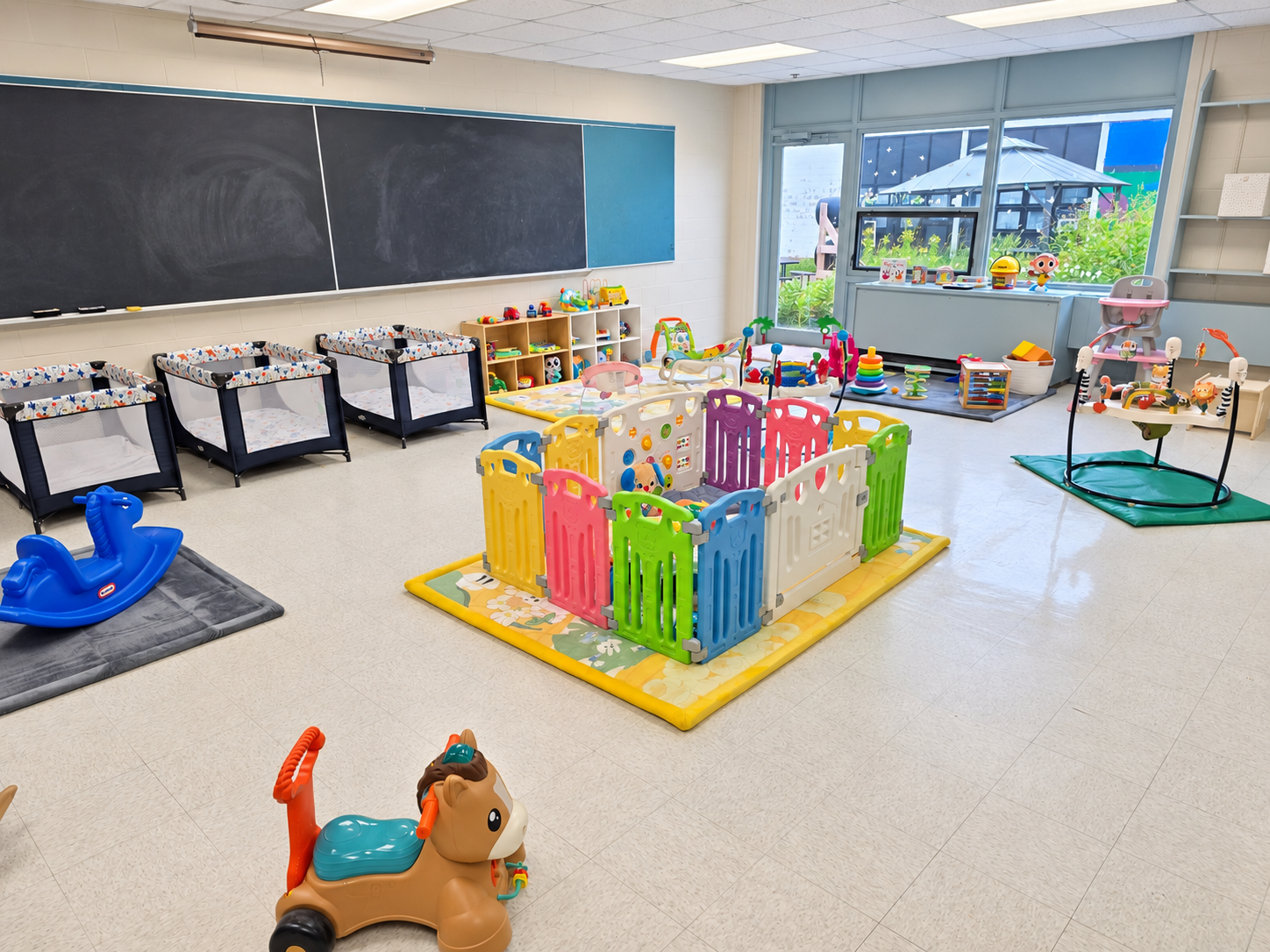
A quiet infant classroom with cribs and a soft play area

Infant 4 weeks to 15 months

Notice. Respond. Connect.

Warm, responsive care and sensory exploration make space for early communication, movement, and a secure relationship with a familiar educator.

One possible moment

A baby turns toward a sound. Their educator pauses, names what they hear, and waits for the baby’s look or coo. That back-and-forth gives early communication time to grow.
  • Communication
  • Trust
  • Sensory discovery
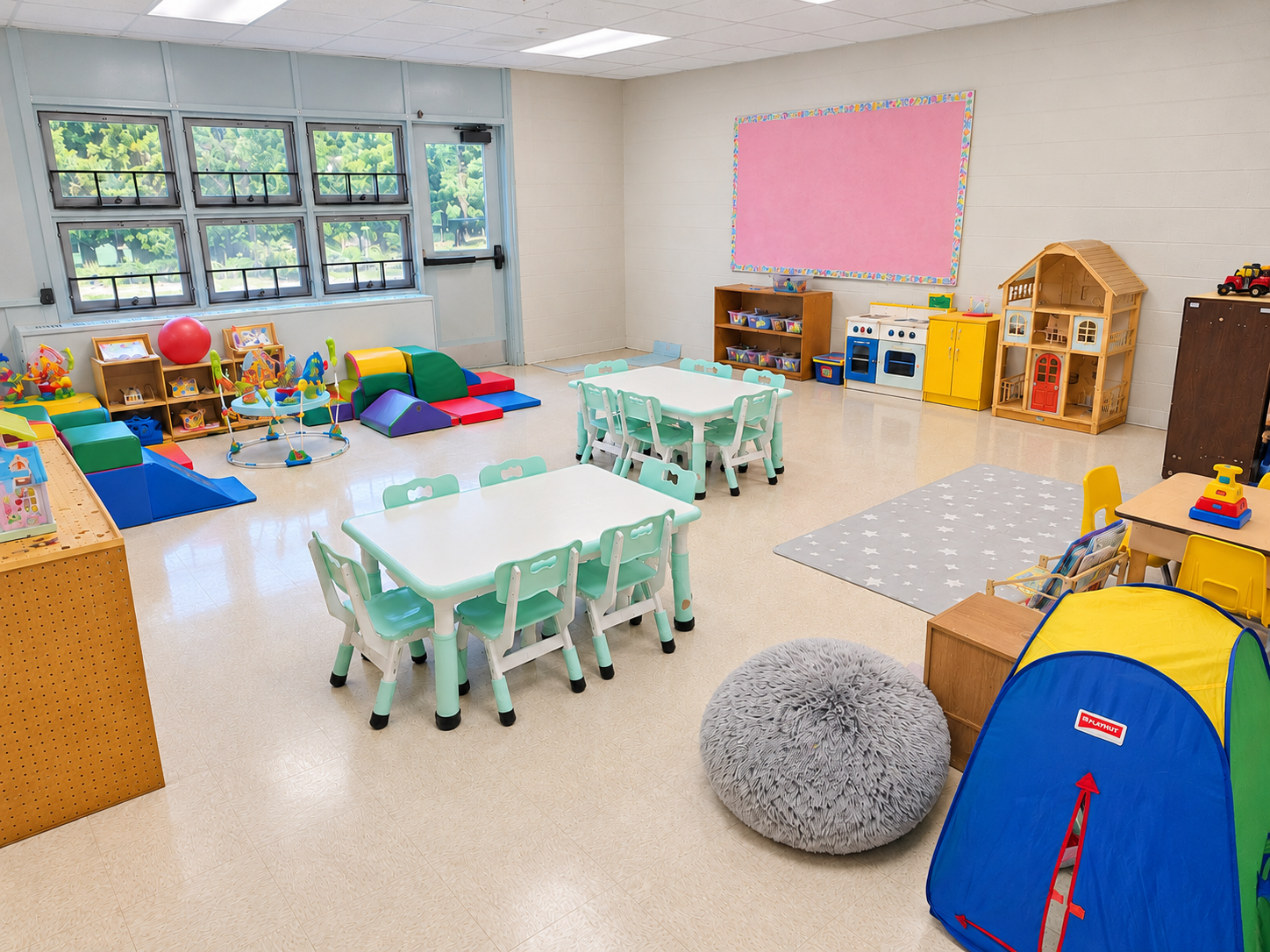
A colorful toddler classroom arranged for active play and exploration

Toddler 15 months to 2 years, 9 months

Try it. Repeat it. Learn.

Toddlers learn by moving, repeating, and testing what objects can do. Play and familiar routines offer practice with new words, early problem-solving, and growing independence.

One possible moment

A toddler fills a basket with large blocks, tips them out, and starts again. A nearby teacher adds words like “in,” “out,” “full,” and “empty,” then follows the child’s next idea.

  • Early math
  • Language
  • Coordination
A preschool classroom with tables and spaces for creative activities

Preschool 2 years, 9 months to 5 years

Imagine. Share. Work it out.

Preschoolers can bring ideas forward, explore them through art, stories, movement, or building, and learn alongside other children. Educators extend the play with questions, new vocabulary, and chances to compare or explain.

One possible moment

Two children decide what to make at the art table. As they choose shapes, share materials, and describe their plans, they are exploring creativity, language, and cooperation.

  • Creative thinking
  • Cooperation
  • Self-expression

These everyday examples show how planned learning and children’s interests can work together.

Relationships make learning possible

Children need room to try, and someone steady nearby.

Warm relationships and predictable routines help children feel secure enough to explore, ask for help, and try something new. When feelings run big or sharing space is hard, educators use calm, age-appropriate guidance to help children name what they need, practice cooperation, and find a safe next step.

We value each child’s strengths and individual way of learning. The plan can guide the day while educators adjust for a child’s needs and the group’s natural rhythm.

A partnership with your family

You know your child.
Let’s learn together.

Families are the most important people in a child’s life. Sharing a familiar phrase, a comfort routine, a new interest, or a question helps educators get to know the whole child and make transitions feel more personal.

Stay connected, day by day.

Brightwheel helps families and educators share routine information and keep in touch. Direct conversations make room to exchange observations, ask questions, and talk together about a child’s experience and growth.

Visit parent resources

Come see learning in action

Find the right next step
for your family.

We would love to tell you more about our program, show you a classroom, and learn what matters to your family.

Check availabilityBook a tour